5 HIIT Interval Formats, and When Each One Actually Makes Sense
Quick Answer: Tabata (20s on/10s off) suits short, intense sessions; 30-30 intervals suit moderate-intensity conditioning; pyramid intervals build pacing awareness; EMOM formats suit strength-cardio hybrids; and long intervals (2-4 min) suit building a higher sustainable threshold — pick the format for the goal, not the trend.
HIIT gets treated as one workout, but the format actually changes what it trains. Here are 5 real formats and the specific goal each one is actually built for.

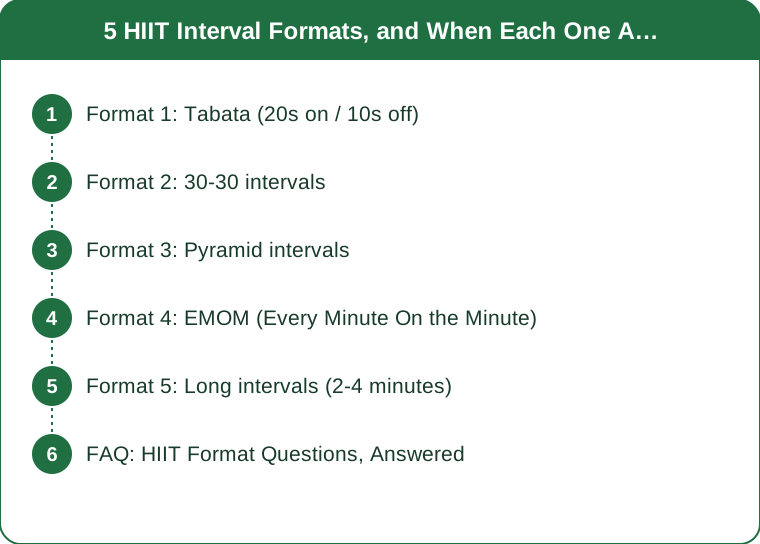
Format 1: Tabata (20s on / 10s off)
Best for: short, maximally intense sessions when time is tight. Eight rounds of 20 seconds all-out effort with 10 seconds rest totals just 4 minutes of work, making it the highest intensity-per-minute format here — best used for movements you can safely go all-out on, like bodyweight squats or bike sprints, not complex lifts.
Format 2: 30-30 intervals
Best for: moderate-intensity conditioning that’s sustainable for beginners. Equal work-to-rest ratio (30 seconds on, 30 seconds off) allows a slightly lower per-round intensity than Tabata but more total rounds, making it a more approachable entry point to interval training without immediate burnout.
Format 3: Pyramid intervals
Best for: building pacing awareness. Work intervals climb then descend (e.g., 20s-40s-60s-40s-20s) with matching rest, forcing you to manage effort across changing interval lengths rather than repeating the same effort level — useful for runners and athletes who need in-race pacing skill.

Format 4: EMOM (Every Minute On the Minute)
Best for: strength-cardio hybrid training. A set number of reps performed at the top of each minute, with remaining time as rest, blends strength-focused movements with a cardio-conditioning element — good for combining lifting and conditioning goals in one session rather than separate workouts.
Format 5: Long intervals (2-4 minutes)
Best for: raising your sustainable threshold, not just top-end power. Longer, moderately hard efforts (not all-out) with equal or shorter rest build the ability to sustain a harder pace for longer — more relevant to endurance athletes than to those chasing pure short-burst power.
FAQ: HIIT Format Questions, Answered
Which HIIT format is best for fat loss specifically?
All formats can support fat loss through elevated post-exercise calorie burn — consistency and enjoyment (so you actually keep doing it) matter more than picking one ‘best’ format for this particular goal.
Can beginners do Tabata safely?
With beginner-appropriate movements (bodyweight, low-impact) and honest pacing on the all-out effort, yes — the risk is usually from choosing overly complex or heavy movements for a format that demands maximal, less-controlled effort.
How often should HIIT be done per week?
2-3 sessions per week with rest or easy activity between is a common, sustainable range — daily HIIT often leads to burnout or injury from insufficient recovery between high-intensity sessions.
TL;DR:
- Tabata: short, maximal effort when time is tight
- 30-30: approachable, sustainable conditioning entry point
- Pyramid: builds pacing awareness across changing efforts
- EMOM: strength-cardio hybrid in one session
- Long intervals: raises sustainable threshold for endurance goals
Match the format to the goal and HIIT stops being one generic workout.
Keep Reading
This article is for general informational and styling purposes only. Fit, sizing, and product availability may vary.