HIIT for Beginners: How to Start Safely (and Actually Enjoy It)
HIIT has a reputation for being brutal — all burpees and gasping and lying on the floor questioning your choices. But it doesn’t have to be that way, especially when you’re starting out. Done smartly, HIIT is beginner-friendly, adaptable, and hugely effective. The key is easing in rather than diving into the deep end. Here’s how to start safely.
Start Where You Are
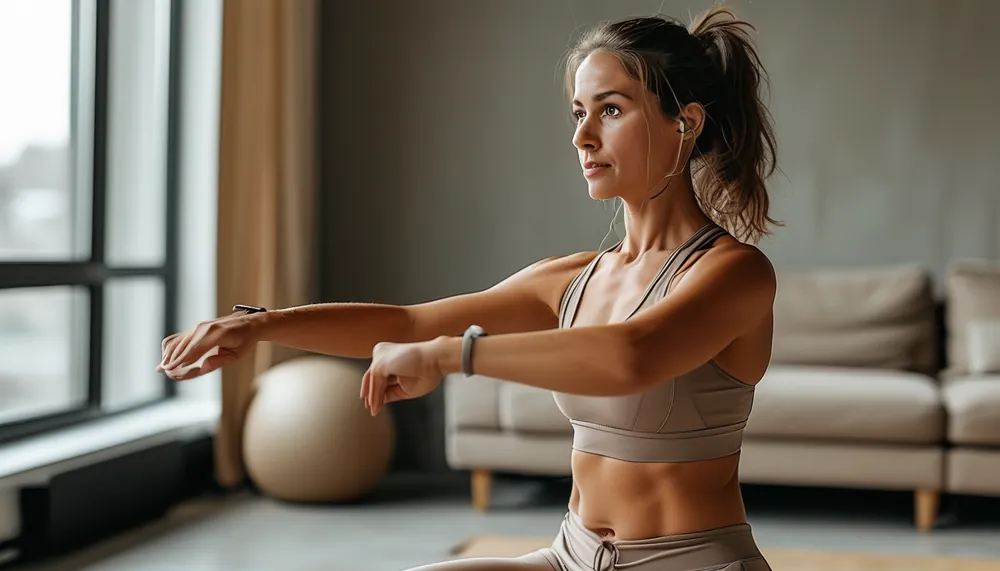
The biggest beginner mistake is going too hard, too fast — leading to burnout, soreness, or injury. HIIT is about relative intensity: “high” means hard for you, not Olympic-level. Start at your own level, modify freely, and build up gradually. Meeting yourself where you are is how you stick with it and stay safe.
The Beginner’s Approach
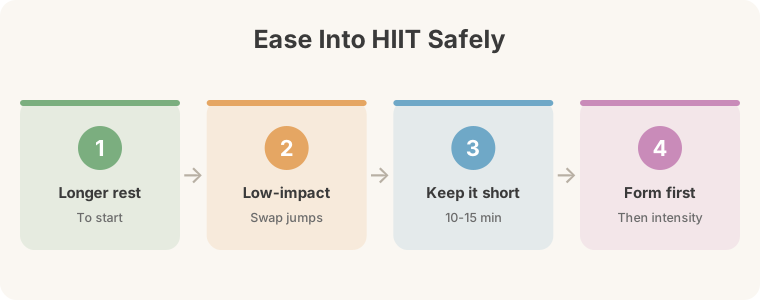
1. Start With Longer Rest
Begin with more recovery — try 30 seconds work, 30+ seconds rest — and shorten the rest as you get fitter. There’s no rush.
2. Choose Low-Impact Options
Swap jumping moves for low-impact versions: step jacks instead of jumping jacks, step-backs instead of jump lunges. Easier on joints, still effective.
3. Keep Sessions Short
Start with just 10–15 minutes. HIIT is intense, so short is smart — you can build duration later.
4. Focus on Form First
Good technique prevents injury. Master the movements at a controlled pace before adding speed or intensity.
5. Rest Between Sessions
HIIT is demanding, so don’t do it every day — 2–3 times a week with rest days lets your body recover and adapt.
Listen to Your Body
- Modify anytime — there’s no shame in easier versions
- Stop if something hurts — pain isn’t the goal
- Build gradually — more intensity over weeks, not days
- Warm up and cool down — always bookend your session

Bottom Line
Start HIIT safely by beginning with longer rests, choosing low-impact options, keeping sessions short, prioritizing form, and resting between workouts. “High intensity” means hard for you — so ease in, modify freely, and build up. Do it smartly and HIIT becomes an efficient, genuinely enjoyable habit. Start gentle, grow strong. This article is for general wellness purposes only and isn’t medical advice.
Keep Reading
This article is for general informational and styling purposes only. Fit, sizing, and product availability may vary.